

Worried about a hefty capital gains tax bill in Ireland after selling property, shares, or a business? You’re not alone, many Irish taxpayers face the standard 33% CGT Ireland rate on worldwide gains (residents) or Irish assets (non-residents), potentially losing thousands without the €1,270 annual allowance, principal private residence exemption, or retirement relief (now from age 55). Proper planning leverages losses, indexation for pre-2003 assets and spouse transfers to cut liability by 50% or more legally, such as via full exemptions.
This comprehensive guide covers what Capital Gains Tax Ireland is and who pays it, CGT rates Ireland 2026 (Revenue.ie), essential exemptions and reliefs, step-by-step how to calculate CGT Ireland (with formulas and examples), proven tax-saving strategies, property sale rules, filing and payment deadlines and expert tips from Outbooks for seamless compliance.
What is Capital Gains Tax Ireland and Who Pays It?
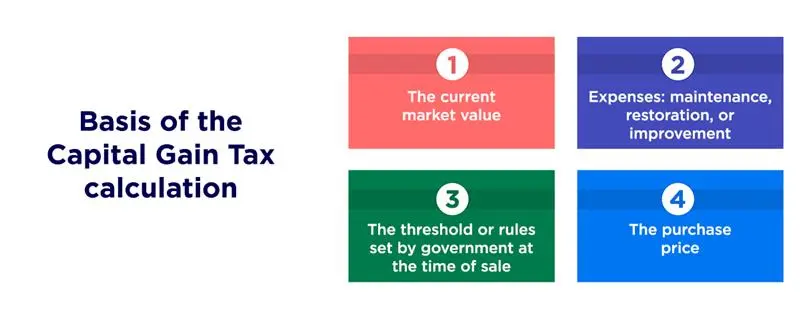
Capital Gains Tax Ireland (CGT Ireland) taxes the profit you make when selling or “disposing” of an asset, like property, shares, or a business. It applies to the gain the difference between what you sell it for and what it cost you (plus allowable expenses). Unlike income tax, CGT Ireland focuses solely on these one-off profits, helping fund public services while offering reliefs to encourage investment.
Who Pays CGT in Ireland?
Irish tax residency determines your scope:
- Irish Residents: Liable for CGT on worldwide gains, anywhere in the world. This includes overseas property or stocks if you’re tax-resident here (183+ days/year or Irish-domiciled).
- Non-Residents: Pay only on Irish-situated assets, mainly land and buildings (e.g., selling a rental in Dublin). Post-2017 rules expanded this via a 15% withholding on property sales (refundable if overpaid).
- Companies/Trusts: Also liable, often at 33%, but with special rules.
Everyone gets a €1,270 annual CGT allowance per person deduct this after losses from prior/current years. Exceed it? The gain above triggers tax.
Quick Facts on CGT Liability Ireland
- Chargeable Assets: Shares, land, business assets. Exempt? Cash, chattels under €2,540, or main home.
- Tax Year: Jan 1-Dec 31; tally all disposals.
- 2026 Note: Check the Revenue.ie CGT overview for Budget updates.
Navigating CGT liability Ireland solo risks missing deductions. An outsourced accountant like Outbooks ensures you claim every allowance compliantly, more on reliefs next.
CGT Rates Ireland 2026
Understanding CGT rates Ireland 2026 is essential for accurate tax planning. The standard rate is 33% on most chargeable gains, but special rates apply to certain investments and scenarios. These rates have remained stable since 2008 (with tweaks like venture funds), but always verify via Revenue.ie for Budget 2026 changes.
Key CGT Rates Breakdown
Here’s a clear table of capital gains tax rates Ireland for individuals and companies:
| Gain Type | Rate (Individuals/Partners) | Rate (Companies) | Notes |
|---|---|---|---|
| Standard Gains | 33% | 33% | Most assets (property, shares, business). |
| Venture Capital Funds | 15% | 12.5% | Qualifying investments; promotes startups. |
| Foreign Life Policies | 40% | 40% | Offshore policies/investments. |
| Windfall Gains | Up to 80% | Up to 80% | E.g., onshore oil/gas, certain mining. |
When Do These Rates Apply?
- 33% Standard: Default for residents’ worldwide gains or non-residents’ Irish property after deducting your €1,270 allowance.
- Reduced Rates: Venture relief requires holding periods and approvals; ideal for EIS/SEIS-like schemes in Ireland.
- Higher Rates: 40% hits “deemed disposals” in foreign wrappers; 80% for resource profits to capture economic rents.
Pro tip: Offset losses to lower the taxable gain before applying rates. Use a capital gains tax calculator Ireland for quick estimates, but consult pros for complex cases like mixed funds.
Essential CGT Exemptions and Reliefs in Ireland
CGT exemptions Ireland and reliefs can wipe out or slash your tax bill don’t miss them. These reduce chargeable gains before applying CGT rates Ireland 2026. Key ones include full exemptions for your home and targeted reliefs for businesses or inflation. Always document eligibility; file a return even for exempt disposals.
Top CGT Reliefs and Exemptions
Here’s a breakdown of the most valuable:
- Principal Private Residence (PPR) Relief: No CGT on your main home if it’s been your only/major residence. Covers gardens up to 0.4 hectares. Partial if rented out prorate by occupancy periods. File Form CG1 to claim (even if zero tax).
- Retirement Relief: Business owners aged 55+ get full exemption on gains up to €1.27 million when transferring to kids/family. Tapers after; €3 million lifetime cap post-70. Expanded in Budget 2025, planning ahead saves family firms.
- Indexation Relief: Adjusts pre-2003 asset costs for inflation using Revenue’s indexation table. Frozen post-2002, no help for newer buys.
- Loss Relief: Deduct capital losses from current/prior gains, carrying forward indefinitely. Negligible value threshold (€2,540) ignores small loss-making chattels.
- Entrepreneur Relief/Holdover Relief: 10% rate on qualifying business shares (lifetime €1M limit); defer gains on gifts to kids.
- Other Exemptions: No CGT on ISA-like schemes, lottery wins, or personal chattels under €2,540.
How to Maximise Them
Combine reliefs, e.g., index a pre-2003 property gain, offset losses, then apply PPR. Outbooks accountants uncover hidden reliefs; DIY risks audits.
Step-by-Step: How to Calculate CGT Ireland
Mastering how to calculate CGT Ireland ensures compliance and minimises surprises. The process totals all gains/losses for the tax year (Jan-Dec), applies reliefs, subtracts your €1,270 allowance, then hits the remainder with rates. Use Revenue’s tools or a capital gains tax calculator Ireland for speed.
CGT Calculation Formula
- Chargeable Gain =
Disposal Proceeds
− (Base Cost + Incidental Costs + Indexation + Reliefs)
− Losses
− €1,270 (Annual Exemption) - CGT Due = Chargeable Gain × Rate (e.g., 33%)
Step-by-Step Guide
- Determine Proceeds: Sale price or market value at disposal (e.g., gift/death).
- Calculate Base Cost: Original purchase price + acquisition costs (legal fees, stamp duty).
- Add Enhancements: Improvement expenses (not maintenance); exclude via indexation for pre-2003 assets.
- Apply Reliefs/Losses: Subtract PPR, retirement relief, etc.; offset losses.
- Deduct Allowance: Minus €1,270 per person.
- Apply Rate: E.g., 33% standard.
- Total for Year: Aggregate all disposals; pay on net gain.
Real Example: Property Sale
Bought Dublin rental in 2002 for €200,000 (+€5,000 fees). Sold 2026 for €450,000 (-€10,000 agent fees). Indexation boosts cost to €320,000 (per table). No reliefs.
- Gain: €450k – €10k – €320k = €120,000
- Minus losses/allowance: €120k – €1,270 = €118,730
- CGT: €118,730 × 33% = €39,181
Proven Tax-Saving Strategies to Reduce CGT Liability
Once you understand the rules, you can reduce CGT Ireland liability legally with smart timing and structuring. These CGT tax planning Ireland strategies work best when planned before you sell, not after the contract is signed.
1. Use Your €1,270 Annual CGT Allowance Every Year
Each individual gets a €1,270 annual CGT allowance. If you don’t use it in a tax year, you lose it.
- Consider staggering disposals across tax years to use the allowance more than once.
- Example: Sell part of a shareholding in December and another part in January to use two years’ allowances. Additionally, if your CGT allowance is already used up, consider postponing a sale to the following year to maximize the annual allowance.
2. Transfer Assets Between Spouses or Civil Partners
Transfers between spouses/civil partners are generally CGT-neutral.
- You can move an asset into joint names before sale to effectively double the CGT allowance to €2,540.
- This can also help access a lower marginal rate or more favourable reliefs.
3. Harvest and Use Capital Losses
Strategically crystallise losses to offset gains.
- Sell underperforming assets to generate losses and offset them against current or future gains.
- Keep clear records only genuine, commercial transactions count. Additionally, make the most of “allowable losses” and deductions, such as expenses that add value to the asset (e.g., improvements on property), which can further reduce your CGT liability.
4. Time the Disposal Date Carefully
The date of disposal (not when you get paid) determines the tax year.
- If you are close to year-end and your allowance for the current year is already used, consider deferring a sale into the next tax year.
- For large gains, spreading disposals over two tax years can significantly cut overall CGT.
5. Optimise Main Residence and Property Usage
For CGT property Ireland, how you use the property matters.
- Where possible, ensure the property qualifies as your principal private residence for as long as possible.
- If you own more than one property, consider nominating the most valuable property as your main residence to maximize PPR relief.
- Avoid unnecessary periods of vacancy or non-qualifying use that dilute relief.
6. Plan Early for Business and Retirement Relief
If you own a trading company or business:
- Start succession and exit planning several years in advance to meet retirement relief and entrepreneur relief conditions.
- Poor timing can cost far more in CGT than the fee for professional advice.
7. Consider Selling Shares to Maximise Annual Allowance
If you have shares,
- consider selling some shares each tax year to trigger a gain of €1,270 (annual CGT allowance).
- After selling, you might buy back the shares to retain ownership of them, though this could activate stamp duty at 1%.
These strategies can materially minimise capital gains tax in Ireland, but the right mix depends on your wider tax position. A professional, outsourced accountant can model scenarios before you commit to a disposal.
CGT on Property Sales in Ireland
Property disposals often trigger the biggest CGT property Ireland bills, but reliefs make a huge difference. Unlike shares, capital gains tax on property Ireland hinges on usage investment vs. personal home and residency status. Calculate using the formula discribed above, always factoring location (Irish situs for non-residents).
Principal Private Residence (PPR) Exemption
Your main home enjoys full PPR exemption Ireland:
- Covers the dwelling + grounds up to 0.4 hectares (1 acre).
- Must have been your “only or main residence” for the entire ownership period.
- Job moves? Still qualifies if reasonable.
Partial relief applies for let-out periods:
(PPR Periods / Total Ownership) × Gain
Example: Owned a house 10 years, lived there 7 → 70% exempt. File a return to claim, even if tax-free.
Investment Property and Buy-to-Let CGT
No PPR? Full gain taxed at 33%:
- Deduct purchase price, improvements (e.g., extensions) and selling costs.
- Non-residents: 15% withholding at sale (bidder deducts); reclaim excess via return.
- Development land: Extra rules if planning permission granted.
Other Property Rules
- Inherited Property: Base cost steps up to market value at death (often CGT-free transfer).
- Gifts: Deemed at market value; consider holdover relief.
- No “7-year rule” that’s a myth; relief is PPR-based only. For properties owned for more than seven years, you may qualify for partial CGT relief, which can be calculated by dividing the number of years the property was owned by seven to work out the relief.
- No “7-year rule” that’s a myth; relief is PPR-based only.
Use a property CGT calculator Ireland like this one for estimates. Non-residents, register with Revenue promptly.
Filing and Payment Deadlines for CGT Ireland
Timely CGT payment deadlines Ireland and filing prevent penalties (up to 100% of tax + interest). Two key steps: pay first, then report. Deadlines are strict use Revenue’s Online Service (ROS) or myAccount for ease.
Payment Due Dates
Pay CGT within 15 days of disposal awareness, but calendar rules apply:
| Disposal Period | Payment Deadline |
|---|---|
| 1 Jan – 30 Nov | 15 December (same year) |
| 1–31 Dec | 31 January (following year) |
CGT can be paid online via the Revenue website or at myAccount. You must be registered for CGT Ireland to be able to pay online. You can register here with your tax registration number.
Filing a CGT Return
File a tax return for CGT by 31 October of the following year via:
Include all gains/losses, reliefs and calculations. Even zero-tax PPR claims need filing. Late? 3% monthly interest + penalties.
Pro Steps:
- Register for ROS if not already.
- Gather docs: contracts, valuations, receipts.
- File/pay electronically mandatory for most.
Missed something? Amend within 4 years. Outbooks handles this seamlessly.
What do the Irish public think about Capital Gain Tax Ireland?
According to The Irish Times , the rules around Capital Gains Tax in Ireland are “confusing”; you “could easily get caught out”.
– 57% of Irish taxpayers say that the CGT rules need simplifying.
– Nine in ten Irish taxpayers say that the rules around profits on property sales should be overhauled.
– Many are unaware that on the sale of a family home a CGT return must still be filed to claim the CGT exemption for the primary residential property.
Expert Tips from Outbooks for Seamless CGT Compliance
Navigating CGT compliance Ireland solo invites errors overpaid tax, missed reliefs, or Revenue penalties. Professional guidance turns complexity into opportunity, especially for busy Irish taxpayers handling worldwide gains or property sales.
Why Partner with Outsourced Accountants?
At Outbooks, we specialise in outsourced accountant Ireland CGT services:
- Maximise Reliefs: Uncover PPR, retirement, or indexation you might miss.
- Scenario Planning: Model “what-if” calculations to minimise capital gains tax Ireland legally.
- Stress-Free Filing: Handle Form CG1/Form 11, ROS payments and amendments on time.
- Non-Resident Expertise: Navigate withholding and Irish situs rules flawlessly.
Common Pitfalls We Fix
- Forgetting to file for exempt PPR sales.
- Poor timing losing annual allowances.
- Incorrect indexation or loss offsets.
Consult a qualified outsourced accountant to optimise your CGT strategy, avoid pitfalls, minimise liability legally and focus on growth. Outbooks offers specialised CGT support for Irish taxpayers; contact us today for tailored advice.
Ready to optimise? Contact Outbooks today at +353 21 2069255 or info@outbooks.com for a expert CGT review.
FAQs
Can I avoid paying CGT on a second home?
Do I have to pay CGT on inherited property?
Can I avoid capital gains tax in Ireland as a non-resident?
How do I pay capital gains tax in Ireland?
Tax Popular Posts

Parul is a content specialist with expertise in accounting and bookkeeping. Her writing covers a wide range of accounting topics such as payroll, financial reporting and more. Her content is well-researched and she has a strong understanding of accounting terms and industry-specific terminologies. As a subject matter expert, she simplifies complex concepts into clear, practical insights, helping businesses with accurate tips and solutions to make informed decisions.