UK accounting firms face increasing pressure to deliver comprehensive solutions. Clients no longer want separate proposals for tax, advisory, and audit services. They expect integrated packages that address their complete financial needs.
This guide is specifically for UK firms who want to WIN more engagements by presenting bundled multi-service proposals — not just create proposals, but structure them strategically so clients clearly see the value of taking all three services together.
Creating an effective accounting proposal requires strategic packaging of multiple services. Modern proposal templates help firms present bundled offerings professionally. Tools like Outbooks Proposal Tool simplify the creation of multi-service proposals for UK firms.
What Makes a Complete Proposal Package?
A proposal package combines distinct accounting services into one cohesive offering. UK firms typically bundle tax compliance, strategic advisory, and audit services together. This approach provides clients with comprehensive financial oversight and planning support.
The proposal templates used must clearly outline each service’s scope and deliverables. Pricing for accountants becomes more competitive when services are bundled strategically.
| Service Type | Standalone Value | Bundled Advantage |
|---|---|---|
| Tax Services | Compliance only | Tax planning + strategy |
| Advisory | Ad-hoc consulting | Ongoing business support |
| Audit | Annual review | Continuous assurance |
The key difference between a standalone and a bundled proposal is not just price – it’s the story you tell. A bundled proposal shows the client that each service feeds into the other: audit findings reveal tax opportunities, advisory insights shape future compliance, and tax planning informs business strategy decisions.
Why UK Firms Choose Integrated Proposals
Accountants offering multiple services strengthen client relationships through regular touchpoints. Clients appreciate the convenience of working with one trusted firm. Integrated proposals reduce administrative burden for both parties involved.
UK firms gain deeper insights into client businesses through multi-service engagement. This comprehensive view enables better strategic advice and proactive support.
According to Outbooks’ own data, proposals that include 3 or more bundled services have significantly higher acceptance rates than single-service proposals – because clients perceive greater value when the full picture is presented together.
Core Components of Multi-Service Proposals
Tax Services in Your Proposal
Tax and advisory services form the foundation of most accounting proposals. Your tax proposal example should include compliance, planning, and consultation elements.
Key tax services to include:
- Corporation tax preparation and filing
- VAT returns and compliance
- Personal tax planning for directors
- Tax efficiency strategies
- HMRC correspondence management
- Making Tax Digital (MTD) compliance support – especially relevant from April 2026 when MTD for Income Tax applies to more businesses
Pricing strategy for tax services should reflect complexity and business size. Consider annual revenue, transaction volume, and entity structure when quoting.
Advisory Services Integration
Advisory services add strategic value beyond compliance work. These services help clients grow and navigate business challenges effectively.
Essential advisory components include:
- Financial planning and forecasting
- Cash flow management strategies
- Business restructuring advice
- Growth and expansion planning
- Risk management consultation
- Benchmarking against industry peers – a high-value advisory add-on that differentiates your firm
The Cone.io blog emphasises that advisory proposals should demonstrate clear ROI. Show clients how strategic guidance saves money and drives business growth.
Audit Services Packaging
Audit proposal sections must address statutory requirements and voluntary assurance needs. UK firms should clarify audit scope, timing, and deliverables clearly.
Audit services typically include:
- Statutory financial statement audits
- Internal control reviews
- Compliance audits
- Management letter recommendations
- Board reporting and presentation
Audit and tax services complement each other when packaged together strategically. Findings from audit work often reveal tax planning opportunities for clients.
How to Structure a Multi-Service Proposal: Step-by-Step
This section is entirely new – it differentiates this blog from the “customise proposals” blog already on your site.
Step 1: Open with a Client-Specific Executive Summary
Do not open with your firm’s history. Open with the client’s situation – their sector, size, current pain points, and what they stand to gain from an integrated approach. One paragraph showing you understand them is worth more than three paragraphs about your credentials.
Step 2: Present the Bundle as One Solution, Not Three Services
The most common mistake is structuring the proposal as “Tax section → Advisory section → Audit section” as if each is a separate document. Instead, present a unified engagement model. Lead with the outcome: “This engagement provides you with complete financial oversight, proactive planning, and regulatory confidence.” Then explain how each service delivers part of that outcome.
Step 3: Show the Interconnections
Use a simple diagram or table that shows how the three services connect. For example:
- Audit → identifies control weaknesses → Advisory recommends fixes → Tax team reviews implications
- Tax planning session → surfaces structuring questions → Advisory models the financial impact
Clients who understand WHY the services work together are far more likely to accept the full bundle.
Step 4: Price the Bundle Transparently
Show individual service prices, then the bundled price, then the saving. This is not just a sales tactic – it builds trust. Clients who can see the value they are getting are more confident signing.
Step 5: End with a Clear Next Step
Proposals that end with “please contact us if you have questions” convert poorly. End with a specific call to action: “To accept this proposal, click the link below to sign electronically. We will schedule an onboarding call within 48 hours.” Outbooks Proposal Tool automates this step with built-in e-signature and payment collection.
Creating Proposals with Outbooks Proposal Tool
Why Outbooks Proposal Tool Transforms Proposal Creation
Outbooks Proposal Tool streamlines the entire accounting proposal development process significantly. The platform offers pre-built proposal templates designed specifically for accounting firms. UK firms can quickly customise templates to match their branding and services.
Automated workflows ensure consistency across all proposals your team creates. Time savings allow accountants to focus on client relationships rather than document creation.
One underappreciated feature: Outbooks Proposal Tool allows you to present proposals in real-time in front of the client — meaning you can adjust scope and pricing live during a meeting and send the finished proposal for signature before the meeting ends. For multi-service bundles, this is a significant conversion advantage
Template Features for Multi-Service Packages
Outbooks Proposal Tool templates include sections for tax, advisory, and audit services pre-configured. Drag-and-drop functionality lets you add or remove services based on needs. Pricing tables automatically calculate bundled discounts and package totals accurately.
Electronic signature integration speeds up acceptance and reduces administrative delays. Templates maintain professional formatting regardless of customisation depth required.
Customisation and Branding Options
Upload your firm’s logo, colours, and fonts for consistent brand presentation. Customise service descriptions to reflect your unique methodologies and approaches. Add case studies and client testimonials specific to each service area.
Include regulatory credentials and professional memberships relevant to UK firms. Personalise each proposal with client-specific details and referenced discovery insights.
Real-World Bundling Example: What a Complete Package Looks Like
Example Client: Mid-sized manufacturing company, £4M turnover, 45 employees, currently using a sole-trader accountant for tax only.
What a complete bundled proposal would include:
| Service | Scope | Annual Fee (Example) |
|---|---|---|
| Corporation Tax | Full preparation, filing, HMRC liaison | £3,200 |
| VAT Returns | Quarterly MTD-compliant submissions | £1,800 |
| Director Personal Tax | Self-assessment for 2 directors | £900 |
| Advisory Retainer | Monthly financial review + cash flow | £4,800 |
| Statutory Audit | Year-end audit, management letter | £6,500 |
| Total Bundle | All above services | £15,200 (saving £1,800 vs standalone) |
The proposal narrative would explain:
“Your business is growing. The audit findings from last year’s work at a similar firm in your sector revealed three areas where tax efficiency could be improved — areas that a standalone tax return would never surface. By engaging us across all three disciplines, you gain year-round visibility rather than a one-time snapshot.”
Common Mistakes to Avoid
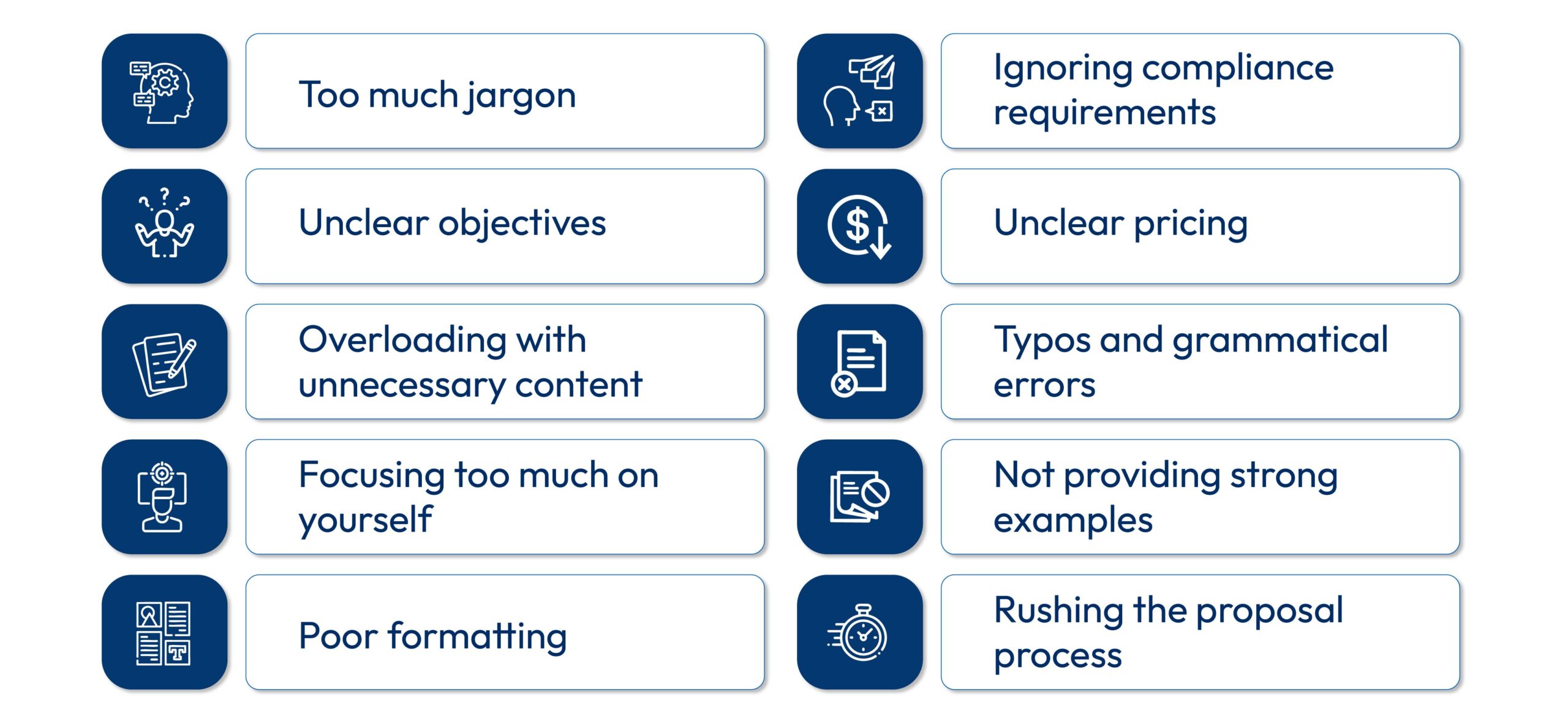
Don’t create generic proposals that could apply to any client. Avoid overwhelming prospects with unnecessary technical detail or industry jargon. Never obscure pricing or make it difficult to understand cost implications.
Don’t overpromise capabilities or timelines your team cannot realistically deliver. Failing to follow up promptly after proposal submission significantly reduces acceptance rates.
Service-Specific Proposal Considerations
Tax Proposal Example Components
A comprehensive tax proposal should outline your compliance and advisory approach clearly. Begin with current year obligations and expand to multi-year planning opportunities. Include specific deliverables like tax returns, computations, and strategic planning sessions.
Address how you’ll stay ahead of UK tax legislation changes. Explain your process for identifying tax efficiency opportunities throughout the year.
Audit Proposal Essentials
Your audit proposal must reference relevant accounting standards and regulatory requirements. Clarify whether you’re proposing statutory audit services or voluntary assurance engagements. Outline your audit methodology, including planning, fieldwork, and reporting phases.
Specify team composition and expected time requirements from client personnel. Address independence requirements and any potential conflicts proactively and transparently.
Advisory Service Positioning
Position advisory services as strategic partnership rather than transactional consulting. Describe regular touchpoints like quarterly business reviews and planning sessions. Outline how advisory insights integrate with tax and audit findings seamlessly.
Provide examples of advisory interventions that have helped similar clients succeed. Make clear that advisory recommendations consider the client’s unique circumstances and goals.
Compliance and Regulatory Considerations
UK Accounting Standards
Your audit proposal must clearly state which financial reporting framework applies. Reference FRS 102 for most UK entities or IFRS for specific circumstances. Explain how your audit approach ensures compliance with applicable standards comprehensively.
Professional Body Requirements
Highlight memberships in ICAEW, ACCA, or other relevant UK professional bodies. Reference adherence to practice assurance and quality control standards throughout. Include required disclosures about independence, conflicts, and ethical compliance matters.
Data Protection and Confidentiality
Address GDPR compliance and data security measures explicitly in proposals. Explain how client information will be stored, processed, and protected securely. Include confidentiality clauses and data processing agreements as appropriate.
This demonstrates professional responsibility and builds client confidence in your practices.
MTD and 2026 UK Regulatory Updates That Affect Your Proposals
This section is entirely new and addresses a key gap no other blog on the Outbooks Proposal Tool site currently covers the regulatory context for bundled proposals in the context of recent UK changes.
Making Tax Digital for Income Tax (MTD ITSA)
From April 2026, self-employed individuals and landlords earning above £50,000 must comply with MTD for Income Tax. This significantly increases the touchpoints between your firm and affected clients. Multi-service proposals should explicitly reference MTD compliance as part of the tax service scope, since clients in this bracket will need quarterly digital submissions not just an annual return.
FRS 102 Amendments
The FRS 102 update cycle (with significant changes taking effect for periods beginning on or after 1 January 2026) introduces new requirements around lease accounting and revenue recognition. Audit proposals for affected clients should reference these changes specifically, and advisory services can add value by helping clients prepare their systems and processes in advance.
HMRC Compliance Checks
HMRC’s increased use of compliance checks and enquiries means that including HMRC correspondence management in your tax proposal scope and flagging this explicitly to clients adds visible protective value to the multi-service bundle.
Conclusion
Multi-service accounting proposals represent the future of client engagement for UK firms. Bundling tax and advisory services with audit capabilities creates comprehensive value propositions. Effective proposal packages demonstrate deep understanding of client needs and industry challenges.
Strategic pricing strategy balances competitiveness with profitability for sustainable growth. Tools like Outbooks Proposal Tool make creating professional proposals efficient and consistent across teams. The right proposal templates save time whilst maintaining quality and brand standards.
The firms that win multi-service engagements consistently are not necessarily the largest or the cheapest they are the ones whose proposals make the clearest case for why the services belong together. Structure your next proposal around that story, and the bundle sells itself.
Accountants offering integrated services strengthen relationships and improve client retention significantly. Clear communication through well-structured proposals converts prospects into long-term partnerships.
Frequently Asked Questions
What should an accounting proposal include?
An accounting proposal should include an executive summary and detailed service descriptions. Clearly outline scope, deliverables, team credentials, timeline, and transparent pricing information. Include terms and conditions, next steps, and acceptance mechanisms for convenience.
How do I price a multi-service accounting package?
Start with individual service pricing and apply modest bundling discounts strategically. Consider client complexity, business size, and expected engagement duration when setting rates. Value-based pricing works better than hourly rates for advisory and strategic services.
What’s the difference between tax and audit proposals?
Tax proposals focus on compliance obligations and planning opportunities for efficiency. Audit proposals address assurance requirements, standards compliance, and reporting obligations clearly. Both should integrate within multi-service packages to show comprehensive value to clients.
How long should an accounting proposal be?
Most effective proposals range from 8 to 15 pages for readability. Include enough detail to demonstrate expertise without overwhelming busy decision-makers. Use appendices for detailed credentials, case studies, and technical methodologies.
Can Outbooks Proposal Tool handle proposals for all service types?
Yes, Outbooks Proposal Tool templates accommodate tax, advisory, audit, and other accounting services. The platform’s flexibility allows customisation for any service combination your firm offers. Templates ensure consistency whilst enabling personalisation for each prospect’s unique needs.
How quickly can I create proposals with Outbooks Proposal Tool?
Most firms create customised proposals in 30-60 minutes using Outbooks Proposal Tool templates. Time savings come from pre-built sections, automated pricing, and reusable content blocks. This efficiency lets accountants send timely proposals whilst details are fresh.
Should I offer payment plans in proposals?
Yes, payment flexibility increases accessibility and can improve proposal acceptance rates. Offer monthly, quarterly, or annual payment options based on service delivery schedules. Clearly state any discounts for advance payment or longer-term commitments upfront.
How do I differentiate my proposal from competitors?
Focus on demonstrating specific understanding of the prospect’s industry and challenges. Include relevant case studies and quantifiable results from similar client engagements. Personalise every proposal rather than sending generic documents that lack connection.
What follow-up is appropriate after sending proposals?
Wait 2-3 business days before initial follow-up unless prospect requests different timing. Reference specific proposal sections and ask if clarification would be helpful. Offer to present the proposal in person or via video call.
How often should I update proposal templates?
Review and update templates quarterly to reflect service changes and market positioning. Update pricing annually or when cost structures change significantly for profitability. Refresh case studies and testimonials regularly to maintain relevance and currency.
